Cincinnati
Cincinnati basement waterproofing questions often come down to landslide-prone Kope Formation hillsides and Ohio River floods. Typical work here includes bowing-wall assessment, interior drainage, sump pumps and hillside drainage.
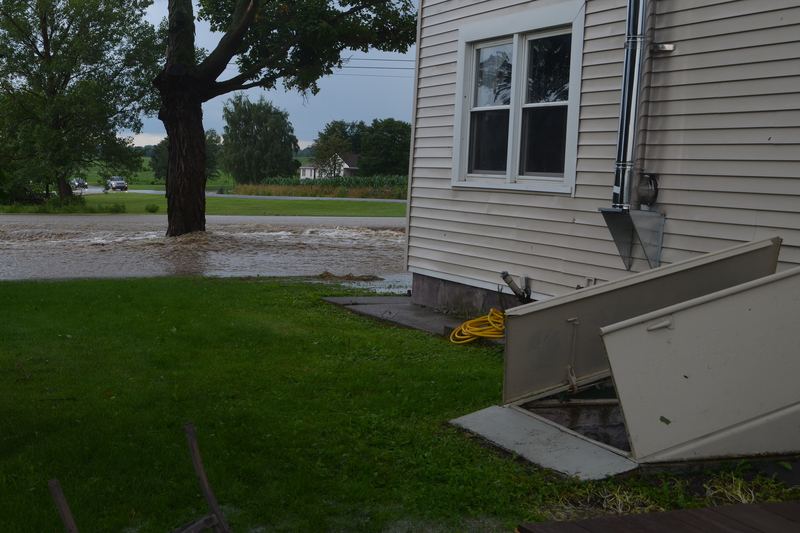

Ground and groundwater in Cincinnati
Cincinnati’s hillsides are underlain by the Kope Formation — shale that weathers into slide-prone clay soils, putting pressure on basement walls cut into slopes.
The Ohio River flood of 1937 remains the city’s record; the Metropolitan Sewer District handles combined sewers in older areas.
Climate, freeze–thaw and flood history
Humid summers with storms and cold winters with freeze–thaw are typical.
Water that reaches a foundation wall finds cracks, cold joints and the joint between wall and floor first, so the right fix depends on where the water is coming in and how high the groundwater rises.
Local authorities and codes
Metropolitan Sewer District of Greater Cincinnati runs a sewer backup response program; City of Cincinnati Buildings & Inspections issues permits.
Ohio applies the Residential Code of Ohio for one-, two- and three-family dwellings, enforced by certified local building departments.
Typical basement work in Cincinnati
Bowing-wall assessment, interior drainage, sump pumps and hillside drainage. Every property is different, so the specialist inspects on site before recommending a system or giving a written quote.
Check the official flood map for your address, keep gutters and downspouts clear and pointed away from the house, and photograph any water, damp patches or cracks before the visit.
Ohio Waterproofing Pro in Cincinnati
We take basement waterproofing enquiries from Cincinnati and surrounding areas around the clock. Tell us the address, where water shows up and when it happens, and we will arrange an on-site inspection.